

Clogged drains are an incredibly common nuisance that can lead to major issues for property owners and businesses alike. Whether it’s the kitchen drain flowing very slowly or a bathroom shower that refuses let water through, identifying the sources of these obstructions is key to upkeeping a functional plumbing system. In this detailed guide, we will explore the 30 common causes of clogged drains and how to avoid them, arming you with the information to maintain your pipes clear.
From strands of hair caught in bathroom drains to grease buildup in kitchens, each blockage has its own unique cause. We will explore the top indicators that your drain is about to become blocked and how to resolve the issue before it becomes a plumbing emergency. With Drain unblocking on DIY methods versus professional help, as well as natural remedies that won’t harm your plumbing, you'll be prepared to confront any drainage issue directly. Let’s take a journey through the chronicles of clogs and discover the most effective methods for resolving drain problems.
Common Causes and Avoidance of Obstructed Drains
Clogged drains can be a major nuisance in any residence, often caused by several typical factors. Hair and soap scum are common culprits in bathroom basins and bathtubs, where they accumulate and form persistent obstructions. In the cooking area, food scraps, grease, and oil can easily end up in your pipes, leading to buildups that restrict the flow of water. It is crucial to understand these frequent issues to take proactive steps in preventing them.
Preventing blockages starts with being mindful of what is disposed of in your pipes. For example, using hair catchers in shower stalls and sinks can greatly reduce the volume of hair that gets into your drainage system. In the cooking area, be sure to dispose of fat in a canister rather than rinsing it down the drain. Additionally, regular care, such as flushing your drains with hot water or a vinegar solution, can assist dislodge smaller debris before they accumulate and cause a problem.
Another significant factor contributing to clogged pipes is the accumulation of minerals from hard water. Eventually, these accumulations can narrow pipes and lead to clogs. Homeowners can address this by using water softeners and promptly dealing with any hard water issues. By staying aware of these causes and implementing preventive measures, you can maintain clean drains and avoid the annoyance of unexpected blockages.
Professional Help
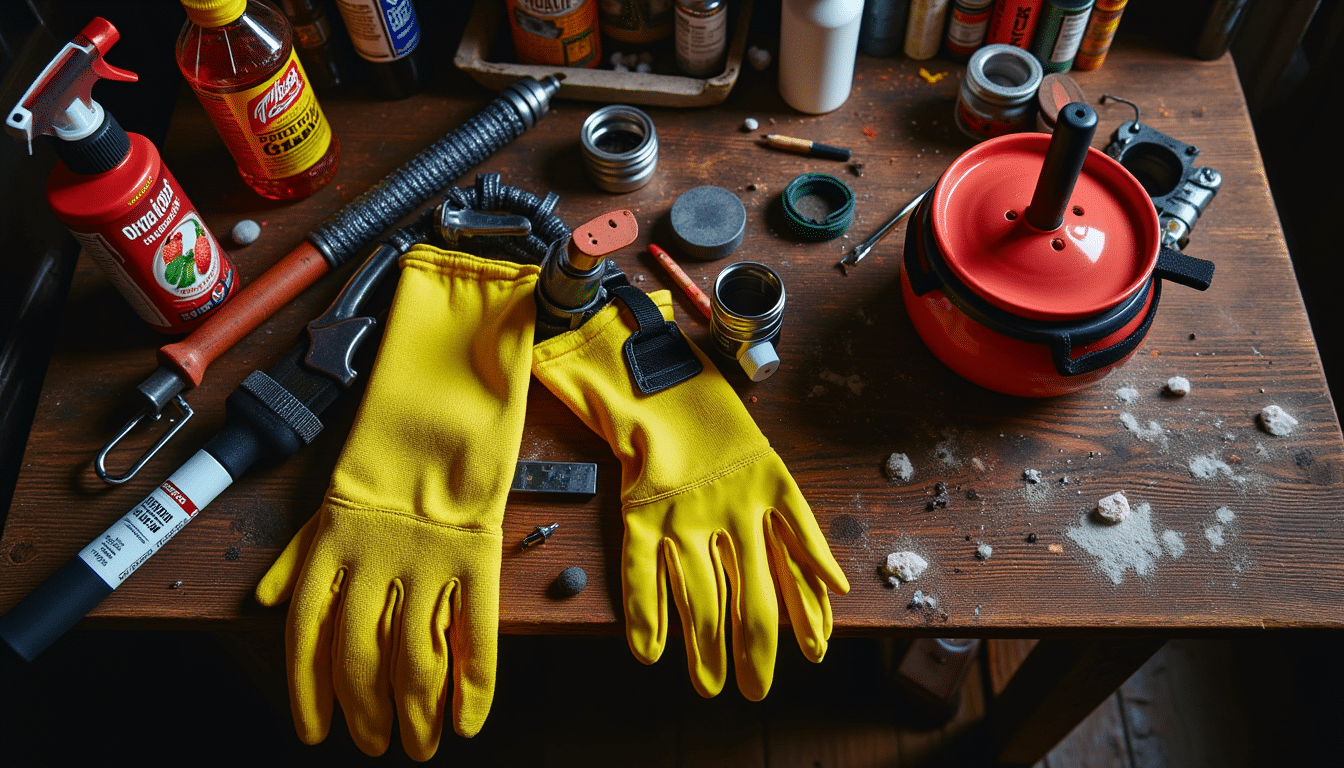
When managing a clogged drain, numerous homeowners first consider DIY methods. Standard approaches include using a plunger, a toilet auger, or common ingredients like baking soda and white vinegar. These methods can be effective for small clogs, providing a cost-saving advantage, and often require minimal tools. However, DIY solutions may not be enough for persistent blockages, especially those caused by more serious issues like tree roots or heavy buildup.
In contrast, professional help can provide a comprehensive evaluation of drain issues. Plumbers have specialized tools and knowledge to identify root causes of ongoing clogs that do-it-yourself approaches might miss. They can utilize techniques such as hydro flushing or drain cameras to ensure a thorough solution. Although this choice may incur a higher cost, it often saves homeowners from frequent problems and potential damage to their plumbing system.
Ultimately the choice between do-it-yourself solutions and expert assistance is influenced by the severity of the clog and the homeowner's comfort level with plumbing issues. For minor clogs, DIY solutions may work well. However, for severe blockages, calling a professional can lead to a long-term fix and peace of mind.
Important Maintenance Tips for Homeowners
To ensure clean and functional drains, consistent cleaning is essential. Homeowners should consistently inspect their drains for possible slow drainage or strange odors. A monthly check can help identify early indicators, allowing for timely interventions. Easy practices like running hot water down the sink after each use and using a mixture of vinegar and baking soda monthly can help keep the pipes free of buildup.
It’s also crucial to be aware of what goes down the drains. Kitchens, in particulars, should avoid pouring grease, oils, and food debris into the sink, as these contribute greatly to clogs. Installing drain strainers can help catch food particles and prevent them from entering the plumbing system. In bathrooms, using hair catchers over shower drains can dramatically reduce hair clogs and minimize the need for extensive cleaning later on.
Finally, consider setting up professional drain maintenance at least one time a year. Certified plumbers can perform thorough inspections using tools like pipe cameras to detect and address issues that homeowners might miss. This proactive approach can save homeowners from costly repairs and recurring clogs, ensuring that the drainage system remains efficient and problem-free for a long time to come.