

Drilling foundations play a key role in the construction sector, providing a solid base for structures erected on suboptimal soil conditions. As structures become taller and larger, the issues related to carrying such weight become increasingly difficult. This is where drilled foundations come into play, allowing engineers to extend structural reinforcement deep into the earth where more stable soil or bedrock is found. Grasping how these foundations function and their importance in contemporary construction is essential for those involved in building projects.
In this piece, we will discuss the various types of piling footings, the innovations influencing their application, and the critical factors that influence their development and erection. From the benefits they provide in terms of structural integrity to the obstacles faced during installation, we aim to provide a thorough guide for both novices and seasoned professionals alike. Whether you are considering a new building project or simply desire to gain knowledge more about this vital aspect of engineering, this exploration into drilled foundations will equip you with the knowledge needed to maneuver through this complex domain.
Comprehending Pile Foundations
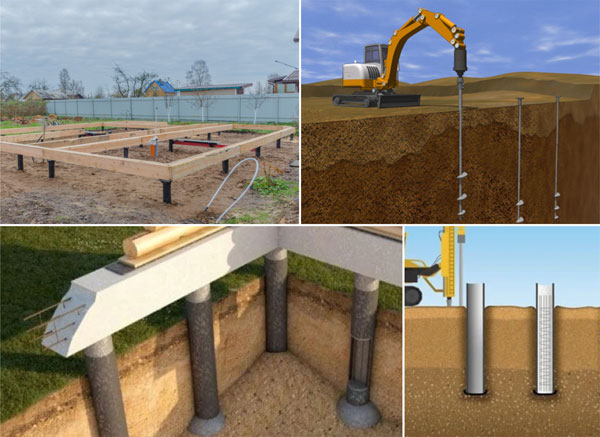
Pile foundations are a vital element in current construction, especially for buildings that must bear heavy weights or are built on difficult ground types. They comprise of elongated, slender rods or rods, termed as piles, that are installed deep into the ground to reach a more robust soil layer or foundation rock. This approach enhances the strength and reinforcement of buildings, bridges, and other infrastructures, ensuring safety and longevity.
The importance of piling foundations lies in their ability to convey weight from the superstructure to the subsurface, further secure layers of soil. Traditional foundations might not be enough in locations with low weight-supporting capacity or when building elevated skyscrapers. Foundation piles can be made of various substances, including concrete, steel, and wood, allowing for flexibility in design and application based on the particular needs of each construction effort.
When preparing for a building project, engineers examine ground conditions, construction requirements, and ecological factors to determine if piling foundations are needed. This method not only supports big structures but also tackles issues such as soil settlement, environmental impact, and overall stability. With innovations in technology, the processes surrounding the planning and implementation of pile foundations persist to evolve, ensuring security and effectiveness in building practices.
Breakthroughs and Methods in Piling
New advancements in piling technology have revolutionized how foundations are created and built. The use of cutting-edge resources, such as high-strength concrete and composite materials, has boosted the capacity and resilience of piles. These innovations allow for lighter and optimized designs that reduce overall project costs while improving structural performance. Moreover, the use of prefabrication techniques for piling elements simplifies the installation process, minimizes waste, and cuts project timelines.
Technical developments in monitoring and monitoring have also played a vital role in modern piling foundations. Engineers now employ sophisticated load testing equipment and sensors to assess the performance of piles during and after installation. These instruments provide immediate data that helps engineers make informed decisions, ensuring that the foundation meets essential safety and load standards. Additionally, Click here for more in computer modeling and forecasting allow for better estimation of load responses, making it possible to design more effective foundation systems tailored to specific site conditions.
Additionally, innovations in piling installation machinery have improved the efficiency of foundation work. For example, the introduction of rotary drilling rigs and vibratory pile drivers has made it simpler to install deep foundations in problematic soil conditions. These machines facilitate quicker and more exact pile installations, minimizing disruption to surrounding areas. As the industry continues to develop, integrating automation and robotics into piling operations is set to even more revolutionize the construction process, leading to advanced and eco-friendly building practices.
Challenges and Factors in Piling Installation
Piling installation presents several issues that necessitate careful planning and implementation. One notable issue is the variability in geology of the location. Different soil types can affect the choice of pile type, depth, and installation method. Engineers must conduct thorough site investigations to evaluate soil conditions, which can be costly. Unexpected soil layers or underground barriers, like rocks can extend the project and require changes to the installation plan.
Another aspect is the potential impact on surrounding structures and the environment. Vibration and noise during piling installation can impact adjacent buildings and communities. Engineers and contractors must implement measures to lessen disruption, which may consist of using more silent installation methods or timing work at specific times. Furthermore, environmental regulations may place additional requirements for noise and vibration control, adding challenges to the project.
Lastly, safety is essential during piling installation. The use of heavy machinery and the extensive excavation required create risks to workers in the area. Ensuring adequate training, adherence to safety protocols, and effective communication among team members is vital to prevent accidents. Additionally, maintaining equipment and monitoring the installation process aids ensure the stability of the piles, contributing to both project safety and long-term structural stability.