

Tooth implants have become a revolutionary solution for individuals looking to regain their smile and improve their quality of life after losing teeth. These long-lasting fixtures not only restore the appearance of teeth but also play a vital role in enhancing oral health and function. As more people consider their options for tooth replacement, understanding what dental implants are and how they work is essential for making an informed decision.
In this comprehensive guide, we will delve into the numerous advantages of opting for dental implants over traditional options like dentures and bridges. From their longevity and impact on oral health to the psychological benefits of a restored smile, dental implants have been shown to offer significant enhancements for those looking to improve their dental situation. Whether you're interested about the cost, procedures, or candidacy for implants, this article will provide important insights to help you manage your dental journey with assurance.
Advantages of Implant Dentistry
Implants offer a reliable and effective solution for those with gaps in their smile, providing utility that strongly resembles real teeth. This not just enhances the capability to chew and communicate but also contributes to overall dental health. In contrast to removable prosthetics that can shift or cause discomfort, implants are securely anchored in the mandible, ensuring security and relief during daily life. This dependability allows individuals to enjoy a broader variety of foods without the fear of losing their prosthetic teeth.
Another notable benefit of dental implants is their capability to halt bone deterioration in the jaw. When natural teeth are missing, the underlying bone can begin to deteriorate due to insufficient stimulation. Implants function like natural tooth anchors, promoting the bone and helping to protect its density. This preservation of bone integrity is crucial for both cosmetic appeal and oral health, ensuring that facial features remain unaffected and minimizing the chance of additional dental issues down the line.
Moreover, dental implants can greatly boost confidence in oneself. The realistic look and utility of implants help people feel more at ease with their smiles. Rather than concealing their teeth or feeling self-conscious, those with implants can grin freely and confidently. This mental advantage, combined with the physical improvements to mouth health, encourages a more optimistic lifestyle and encourages greater community interaction.
Oral Prosthetic Procedures Overview
The path to receiving dental implants usually begins with a detailed consultation and assessment by a dental expert. This first evaluation allows the oral surgeon to assess the patient's oral health, examine medical records, and decide whether bone grafting is necessary. Impressions and 3D images of the mouth may be taken to create a tailored treatment plan. The most crucial aspect of this stage is confirming that the patient is a qualified candidate for the procedure, as this lays the foundation for positive outcomes.
Once prepared, the dental prosthetic treatment itself involves several stages. First, the dentist will insert a titanium post into the bone of the jaw, which serves as the anchor of the replacement tooth. This is typically done under local anesthesia to minimize discomfort. Over the following weeks and months, the implant undergoes osseointegration, a process where the jawbone fuses to the implant, providing a secure foundation. Once healing is complete, an abutment is fixed to the post, followed by the installation of a personalized crown, returning the patient's smile and function.
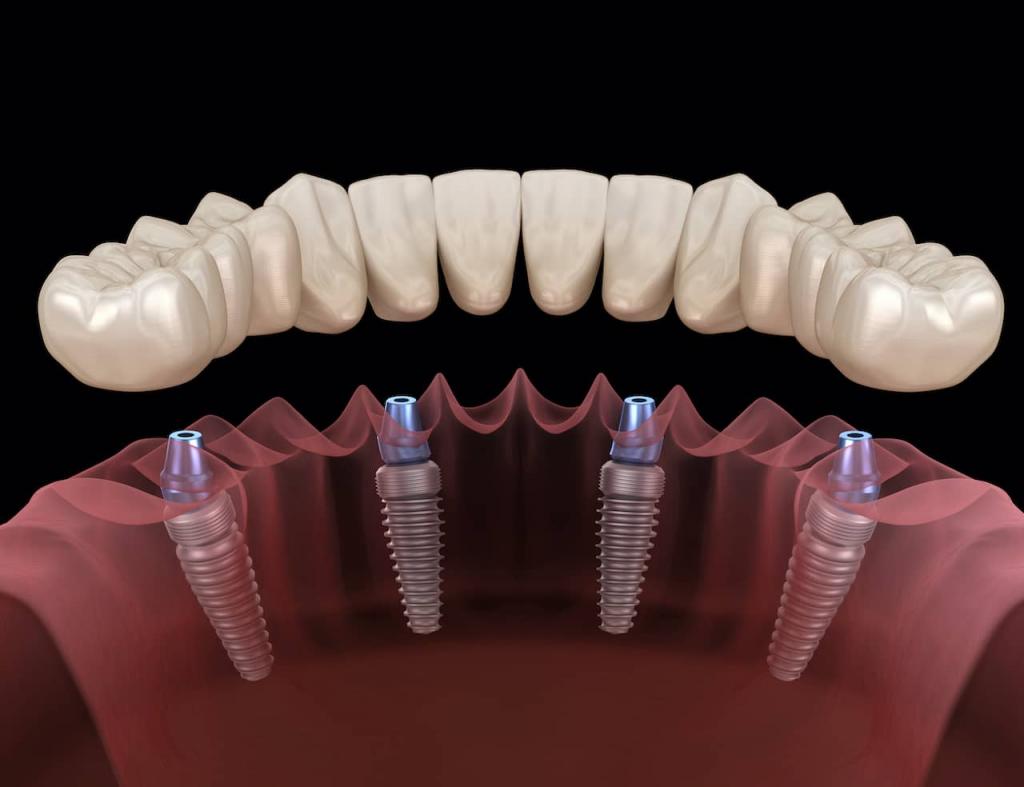
Post-procedure follow-up is important for the longevity of dental prosthetics. Article source are given detailed aftercare instructions to guarantee proper healing and success of the implant. Regular check-ins with the oral surgeon help monitor the healing process and resolve any concerns that may come up. By adhering to these guidelines, patients can enjoy the advantages of their prosthetics, including improved oral health, enhanced confidence, and the ability to eat and speak comfortably.
Caring for Your Dental Implants
Proper care for your dental implants is vital for the longevity and functionality. Just like natural teeth, dental implants require routine brushing and flossing to maintain them clean and prevent plaque accumulation. Use a soft-bristled toothbrush and a mild toothpaste to carefully brush the implants two times a day. It is also crucial to include flossing into your daily routine, using either traditional dental floss or a specialized floss designed for implants to ensure you clean between the implants and your natural teeth effectively.
Routine dental check-ups play a crucial role in maintaining your dental implants. The dentist will check the health of the gums and the stability of the implants. During these visits, dental cleanings help remove tartar and plaque that can build up around the implants. Additionally, the dentist can provide personalized advice on care routines based on your specific situation, helping to spot any potential issues before they become serious problems.
Personal habits can also impact the success and longevity of your dental implants. Avoiding smoking is particularly crucial, as tobacco use can impede the healing process and increase the risk of complications. Staying hydrated and maintaining a balanced diet that includes vitamins and minerals can promote oral health. By following these care guidelines and maintaining a proactive approach to the dental health, you can ensure the dental implants stay a durable solution for the smile.