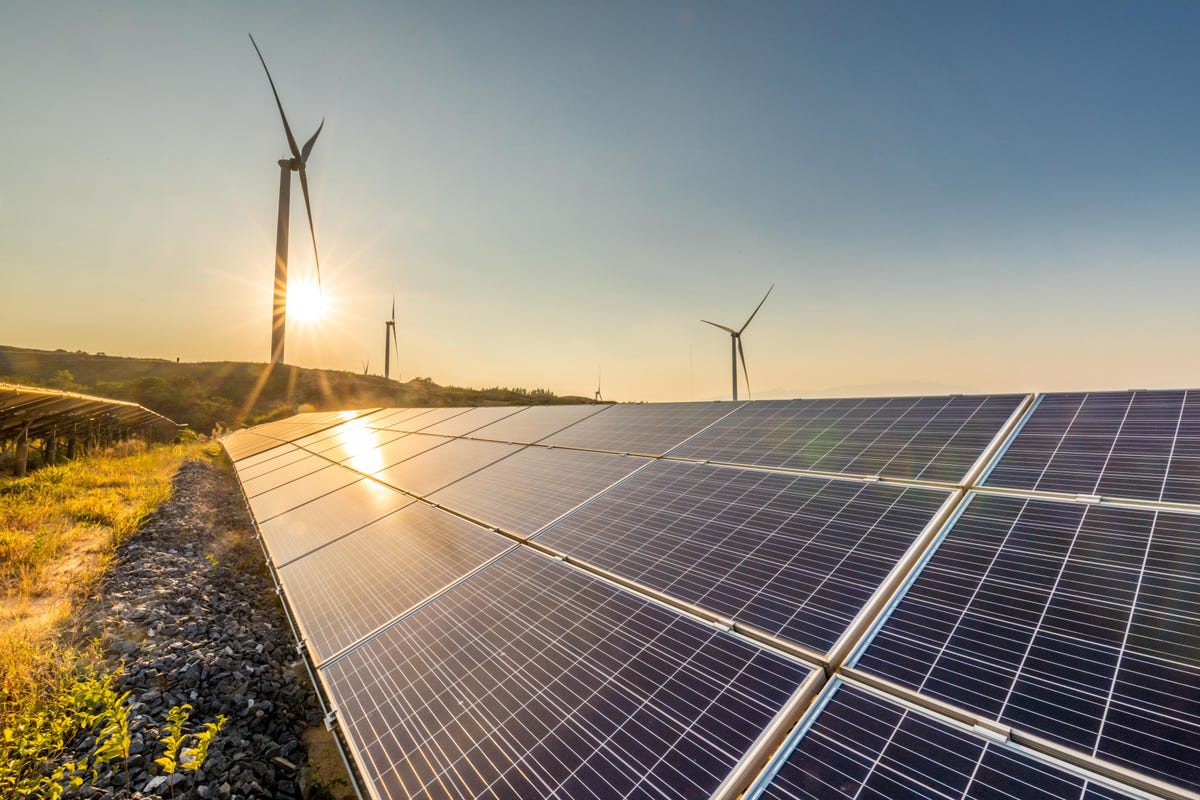
As society struggles with the pressing need to shift from traditional fuels to more sustainable energy sources, renewable energy remains at the leading edge of this change. In the array of alternatives, geothermal energy is frequently overlooked, despite its remarkable potential. By accessing the Earth's natural heat, geothermal technology provides a dependable energy source that can significantly contribute to a viable future. This article investigates the expansive world of renewable energy, highlighting key technologies and innovations that are influencing the way we utilize nature's wealth.
From solar power advancements transforming the energy landscape to wind energy advancing toward a greener tomorrow, the fields of renewable energy are filled with potential. We will explore the diverse nature of this industry, including the roles of hydropower, marine energy, and the rise of smart grids and battery technologies. Each of these components has a crucial role in building a cohesive ecosystem that not only meets growing energy demands but also supports environmental stewardship. Whether by the creative integration of electric vehicles or the groundbreaking work in energy storage, the path forward is paved with innovation and technological advancement.
Innovative Renewable Energy Technologies
The energy landscape is changing rapidly, with innovative solutions making significant strides in the area of alternative energy. One notable area is solar energy technology, which is not only becoming more efficient but also more accessible. Extra resources and designs, such as dual-faced solar panels and biological photovoltaics, are improving energy harvesting and reducing costs. This progress is shifting solar energy from a limited market to a widespread solution, pledging to play a crucial role in meeting global energy needs.
Wind energy is witnessing transformative innovations as well, driven by innovations in turbine design and energy efficiency. Larger, more productive turbines are being deployed in both onshore and marine projects, increasing energy output and reducing expenses. Additionally, the integration of AI and big data analytics into wind farm operations is streamlining energy production, allowing for forecasting maintenance and enhanced grid connection. This evolution sets wind energy as a foundation of a sustainable energy future.
Moreover, geothermal energy is gaining attention as a reliable and dependable source of renewable power. By tapping into the Earth's innate heat, geothermal systems can provide base load electricity and heating with little environmental impact. Recent engineering advancements in drilling techniques and resource mapping are improving the practicality of geothermal projects in various regions, making it a key component in broadening the global clean energy mix. As these solutions continue to progress, the potential for sustainable energy options expands, paving the way for a more sustainable, cleaner future.
The Role of Geothermal and Hydropower
Geothermal energy captures the Earth's internal heat, providing a consistent source of renewable energy. This technology extracts heated water reservoirs beneath the Earth's surface, using vapor or hot water to drive turbines that generate electricity. Unlike other sustainable sources, geothermal energy is not reliant on meteorological conditions, allowing for a stable supply of energy throughout the year. As advances continue in drilling technologies and reservoir management, the prospect for geothermal energy to expand significantly in the global energy mix is growing increasingly clear.
Hydro power, one of the most ancient forms of sustainable energy, uses the energy of flowing or descending water to produce electricity. Reservoirs and river systems can be designed to harness this kinetic energy, transforming it into electrical power. Hydropower is particularly valuable because it can provide large-scale energy solutions while also providing capabilities for grid stability through pumped storage systems. Despite its long history, continuing advancements in small-scale hydro technologies and improvements in environmental management are enhancing hydropower's sustainability and minimizing its ecological footprint.
In combination, geothermal energy and hydropower complement each other in the renewable energy landscape. Both sources play a role to reducing reliance on fossil fuels and can boost local economies through job creation and energy independence. As we envision the future of renewable energy, integrating these technologies into a broader system that includes solar, wind, and energy storage will be essential in realizing a greener energy infrastructure.
Future Trends in Renewable Energy
As address climate change intensifies, the prospects of renewable energy is ready for substantial advancements. Geothermal energy, in addition to solar, wind, and hydropower, is on the rise as nations aim to expand their energy portfolios. Innovations in geothermal technology, such as enhanced geothermal systems and refined drilling techniques, aim to unlock deeper and more efficient resources, making this dependable energy source a vital player in the worldwide energy mix.
Advancements in energy storage systems are also key to the renewable energy landscape. Advances in battery technology, including solid-state solutions and flow-based batteries, are facilitating more efficient integration of non-continuous renewable sources such as solar and wind power. This ensures a more consistent energy supply, supporting the extensive adoption of renewable energy alternatives. As these technologies become less expensive and effective, they will play a important role in supplying both urban and rural communities.
The integration of artificial intelligence and smart grids is transforming how energy is distributed and consumed. By optimizing energy production and consumption patterns, these technologies enhance efficiency and minimize waste. Furthermore, they create opportunities for cutting-edge energy trading platforms through distributed ledger technology, enabling consumers to participate actively in the energy market. Collectively, these trends emphasize a exciting future where renewable energy technologies not only exist together but thrive, fuelling a cleaner, eco-friendly energy landscape.