

Directional and innovative has emerged as an game-changing technology in the current infrastructure landscape, enabling the installation of utilities with little surface disturbance. As cities continue to grow and urban areas increase, the demand for optimized and environmentally friendly construction methods has never been higher. Unlike old-fashioned trenching, which can cause considerable disturbance to roads, sidewalks, and existing utilities, directional drilling offers a precise and non-intrusive solution, maintaining the cohesion of the urban space while delivering crucial services.
In this piece delves into the aspects of directional drilling, exploring its comprehensive benefits and applications across diverse sectors. From supporting the installation of fiber optic lines to ensuring reliable gas line placements, directional drilling is at the vanguard of development in utility installation. We will examine the technologies behind horizontal directional drilling, the essential equipment involved, and the challenges faced by contractors in this evolving field. Accompany us as we navigate the intricacies of this advanced drilling method and highlight why it is becoming necessary for contemporary infrastructure projects.
Key Benefits of Directional Drilling
Directional delivers significant benefits over traditional trenching methods, thus becoming a popular option for modern infrastructure-related projects. A primary benefits is its capability to lessen above-ground disruption. Through drilling underground at various angles, crews can avoid disrupting landscapes, streets, and current infrastructure systems, particularly in urban areas in which space is limited and preserving visual appeal is essential.
An additional key benefit is the efficiency that directional drilling provides to infrastructure setup. It enables for longer and increasingly complex bore paths to be executed without major surface digging. This not only shortens construction schedules but also leads to lower manpower and restoration expenses. The technique facilitates the installation of multiple services in one bore, maximizing the use of resources and effort.
Moreover, directional drilling plays a role to environmental protection. Due to minimal above-ground digging and restoration required, the impact on natural ecosystems and animal habitats is significantly reduced. The method also reduces soil erosion and the likelihood of water contamination, as drilling can be conducted without causing disturbance to native land configurations. Ultimately, the adoption of directional drilling coincides with sustainable approaches and meeting the structural needs of growing populations.
This Directional Borehole Procedure
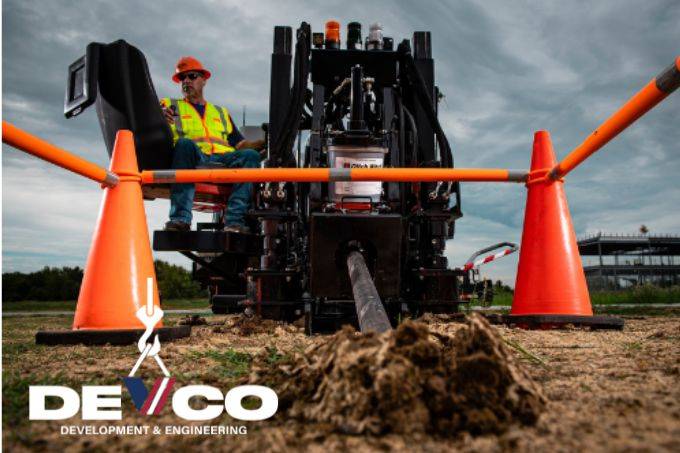
This guided drilling procedure starts with meticulous planning and design, which are essential to the outcome of the project. This stage involves assessing the site conditions, deciding the desired drill path, and securing the essential permits. Engineers employ advanced software to generate exact plans that outline the inclines and depths of the bore, guaranteeing that the route matches with pre-existing structures and reduces any potential issues.
Once the design stage is finished, preparation of the site and gear mobilization take place. Specialized machinery, including drill rigs, are transported to the site. The drilling rig is installed along with support equipment such as fluid pumps, tanks for drilling fluids, and guidance systems. The operation then moves forward to drilling, where a test bore is drilled first. This includes rotating the drill bit while adding lubricants to smooth the bit and remove cuttings from the borehole.
After the pilot hole, the next phase is to ream the hole to the required size. This requires widening the initial hole using a larger cutter, allowing for the installation of the pipeline or cable. During this phase, tracking systems keep track of the bore's path to guarantee precision, while directional control systems assist steer the drill head as needed. Once the enlargement is successfully finished, the ultimate step consists of placing the tube or cable into the recently drilled hole, completing the project with little surface disruption and effect on the environment.
Comparative Analysis: Directional Drilling vs. Traditional Techniques
Directional drilling offers notable advantages over conventional digging approaches, particularly in city environments where surface disruption can lead to costly hold-ups and disruptions. Unlike conventional methods that require large-scale digging, directional drilling allows for the placement of infrastructure subsurface with limited ground disturbance. https://gmaccontractors.com/best-horizontal-directional-drilling-ireland/ protects existing facilities but also reduces the impact on transportation, businesses, and local communities, making it a popular choice for builders aiming to honor community integrity.
Furthermore, the precision of directional drilling methods enables the installation of utilities at precise depth levels and angles, optimizing resource utilization and minimizing environmental impacts. In comparison, standard approaches often result in broader excavations that can unintentionally affect local buildings and ecosystems. By employing cutting-edge approaches like steerable drilling, contractors can maneuver around hurdles and ensure the precise installation of infrastructure, greatly enhancing efficiency and minimizing potential risks associated with service installation.
Affordability is another key differentiator. While the initial cost for directional drilling technology and technology may be greater than conventional methods, the overall project costs typically decrease due to minimized labor, contracted project timelines, and minimal clean-up requirements. The sustained benefits often surpass initial expenses, highlighting how directional drilling can lead to more eco-friendly and economically viable solutions for today's infrastructure projects.