

If you're looking to make a delicious and nutritious choice to your meal rotation, homemade vegan falafel is a great option. With its crunchy exterior and fluffy interior, falafel is not only a mainstay in Arabic cuisine but also a beloved dish for a lot of people. Regardless of whether you're a seasoned cook or beginning your culinary journey, this comprehensive guide will take you through all you need to know to make flawless homemade vegan falafel right in your home kitchen.
From traditional recipes that respect traditional flavors to innovative variations that meet modern tastes, we'll look into the numerous facets of this versatile dish. You'll discover tricks for achieving that coveted crunch, original serving ideas that allow for quick weeknight meals, and even gluten-free options for those with special diets. So gather your ingredients and get ready to impress your friends and family with scrumptious vegan falafel recipes that all can enjoy.
Making Flawless Vegan Falafel
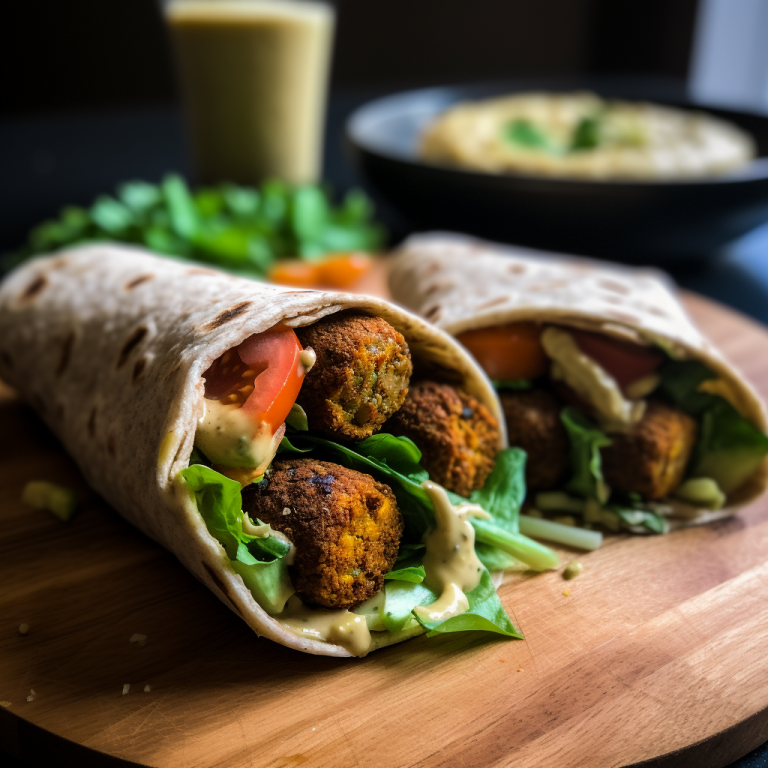
To make the flawless vegan chickpea fritters, start with top-notch ingredients, emphasizing soaked garbanzo beans or fava beans rather than packaged ones. Resting the beans overnight enables them to become tender and creates a better texture. Mix them with vibrant herbs like parsley, coriander, and peppermint, along with spices such as paprika and turmeric, to develop a zesty mixture. Don’t forget to prevent blending too much; allow some texture for that crunchy bite.
Once your falafel mixture is made, it's crucial to give it sit for at least 30 minutes in the fridge. This resting time enables the flavors meld together and simplifies shaping the falafel easier. If you find the dough too crumbly, a little bit of bean water or starch can help combine it together without affecting the texture. Mold the fritters into balls or cakes, ensuring they are well-formed enough not to fall apart during cooking.
The preparation method you select can affect the final result greatly. For a golden finish, traditional pan frying is very effective. However, if you favor a lighter option, roasting can still result in savory results. No matter the method, ensure the oil is hot if frying, or warm your oven for baking, and always watch them to attain that perfectly browned perfection.
Presenting and Matching Ideas
Vegan falafel offers incredible versatility when it comes to serving and pairing options. One well-liked way to enjoy falafel is in a wrap. Use a multigrain pita or a soft flatbread and layer it with crunchy falafel, fresh veggies like lettuce, cherry tomatoes, and cucumbers, and a splash of tahini sauce or hummus. This makes for a quick and satisfying meal that’s great for lunch or a casual dinner.
Another tasty option is to create a falafel bowl. Start with a base of carbs, such as quinoa or brown rice, and top it with falafel, grilled vegetables, and a bright salad made with ingredients like bell peppers and avocado. This not only makes for a filling dish but also allows for imaginative customization based on seasonal produce or personal preferences. Adding a zesty dressing can further elevate the flavors.
For those who love entertaining, consider preparing a falafel platter. Arrange the falafel balls on a big serving dish and accompany them with an array of dips such as tzatziki, baba ghanoush, and spicy harissa. Include crisp vegetables and pita chips for dipping. This interactive style of serving invites guests to mix and match flavors, making it a great addition to any gathering or party.
Typical Errors and Solutions
An typical error while making vegan falafel involves over-blending the chickpeas and fava beans. This can lead to a paste-like texture which does not hold its shape when cooking. To avoid Beste falafel i Oslo , pulse the beans in a food processor just until coarsely ground. You should still see some texture; consider it a a chunky mixture rather than a smooth dough. This will ensure confirm that your falafel retains its form and has a delightful bite.
One more common mistake is using too much moisture in the mixture. If the mixture is too wet, the falafel may fall apart in the fryer and oven. To resolve this, ensure you thoroughly drain and dry your beans and consider adding a binding agent such as flour and breadcrumbs if needed. It's additionally helpful to let the mixture rest for 30 minutes prior to shaping, since this allows the flavors to meld and the mixture to firm up.
In conclusion, not allowing the oil to reach the proper temperature may lead to greasy, poorly cooked falafel. If the oil becomes too cool, the falafel will absorb excess oil and become soggy. Use a thermometer to check the temperature, or test by dropping a small piece of the mixture into the oil; it is expected to sizzle and rise to the surface immediately. Adjust the heat as necessary, and fry or bake in batches to make sure each falafel gets the right crispy texture.